Welcome to the international official website of China Shanghai Tongle Cable Co., Ltd
 简体中文
简体中文
 English
:2026-03-14 11:14:00 :
Ordinary RVV cable used instead of TRVV drag chain cable
Bending radius too small, exceeding cable limit
High moving speed or long running stroke
Poor conductor toughness with fewer copper strands
Use special TRVV drag chain cable instead of ordinary RVV
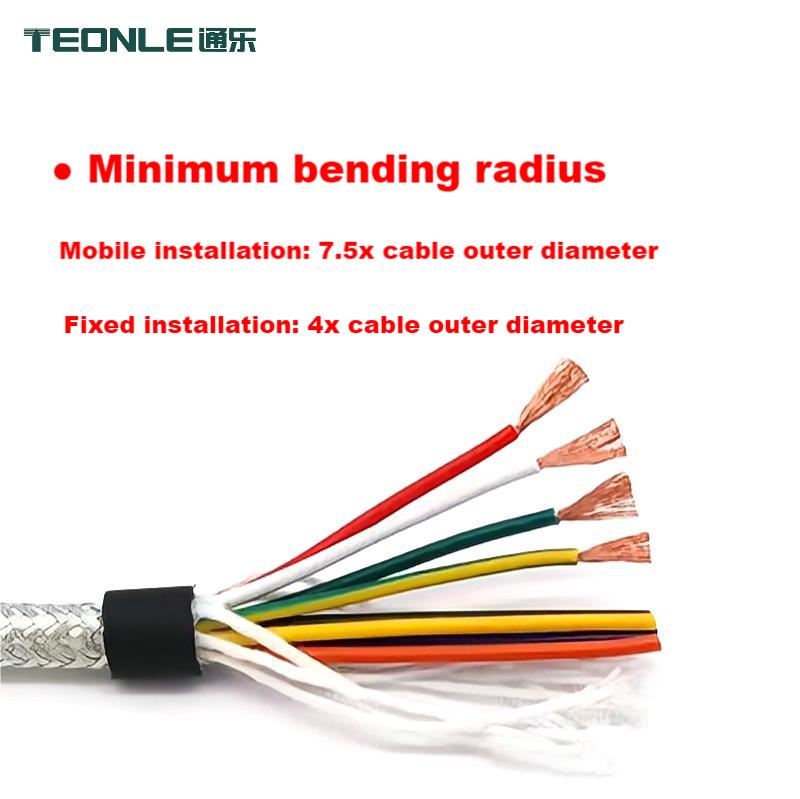
Ensure bending radius ≥ 8–10 times the outer diameter of the cable
Choose high-flexibility type with super-fine oxygen-free copper conductor
Use high bending-resistant TRVV for high-speed and long-stroke equipment
Too high or too low ambient temperature
Poor oil resistance and wear resistance
Sharp corners or burrs inside the drag chain
Select TRVV with oil-resistant & cold-resistant flexible PVC jacket
Clean burrs and sharp edges inside the drag chain before installation
Use oil-resistant TRVV in oily environments
Use cold-resistant type in low-temperature environments
Power cables and signal cables installed in the same drag chain
Non-shielded cable used
Poor grounding
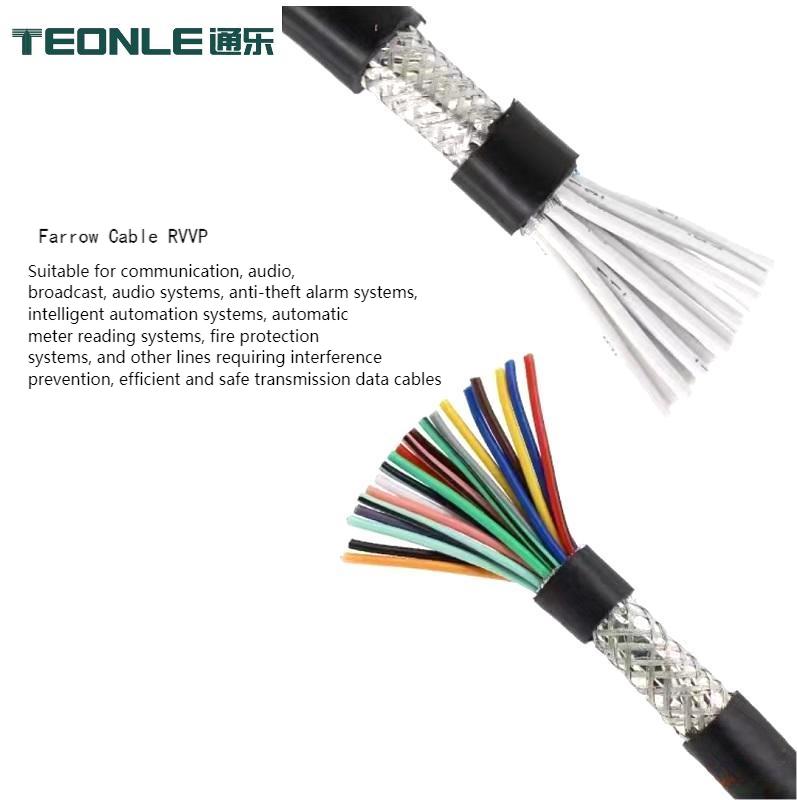
Use shielded TRVVP drag chain cable for signal control
Separate power cables and signal cables
Ensure reliable single-end grounding of the shielding layer
Improper reserved length of the cable
No cable clamps or fixings used
Multiple cables with different diameters and tensions
Fix the cable at both ends of the drag chain
Keep proper reserved length, not too tight or too loose
Use cables with similar diameters in the same drag chain
Use separators if necessary
Actual current exceeds the current-carrying capacity
Extrusion and poor heat dissipation
High ambient temperature
Select larger cross-section according to equipment power
Avoid excessive squeezing and sharp bending
Use heat-resistant type in high-temperature environments
Length not calculated accurately according to actual stroke
Too many splicing joints
Calculate total length: stroke × 2 + proper margin
Use one-piece cable and reduce intermediate joints


 立即沟通
立即沟通